By Zach Elliott
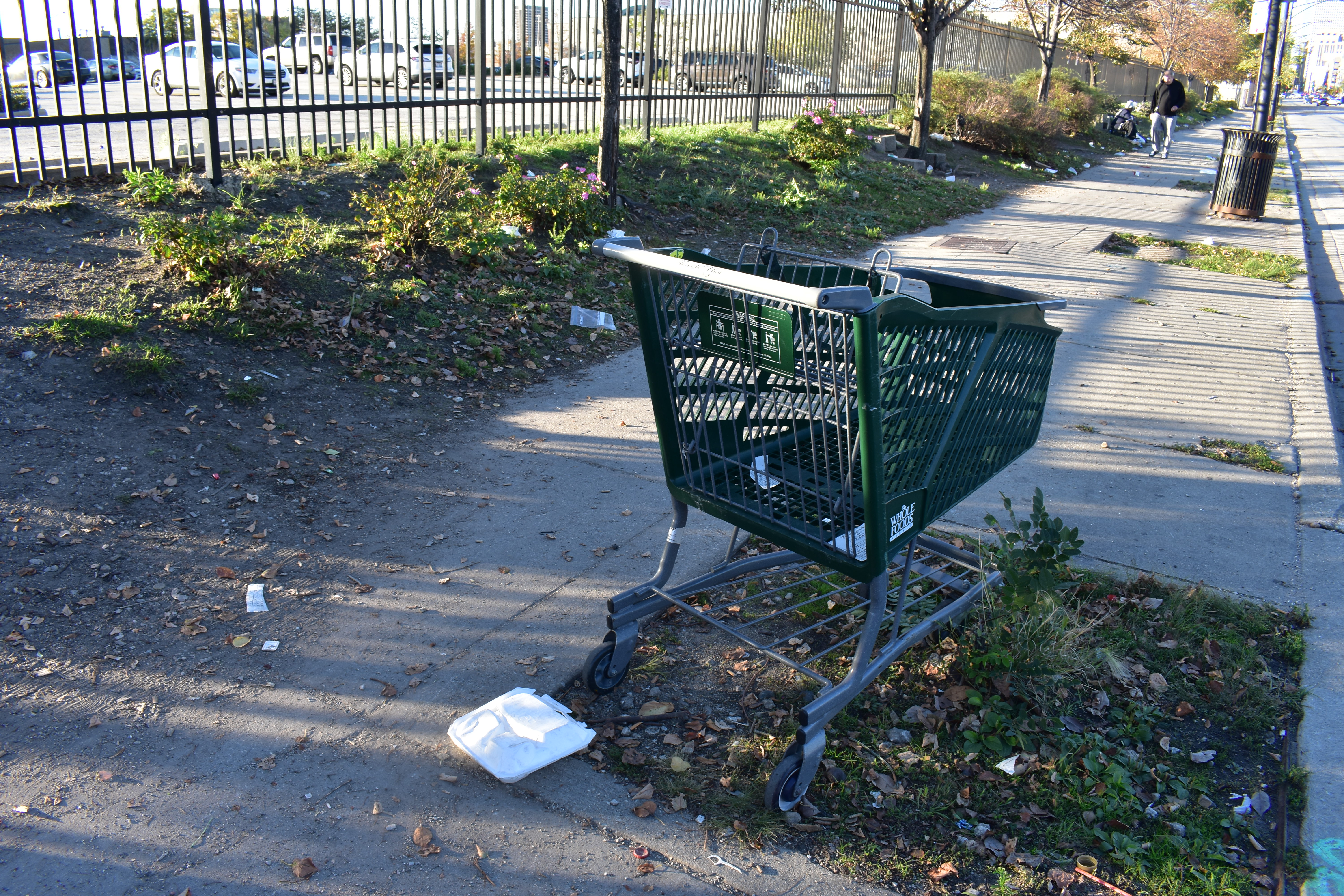
Walking down a busy street in Chicago – or any big city for that matter – you’re bound to see people in need, people in poverty – the homeless among us.
Prior to the Covid-19 pandemic, homelessness was on the rise, and housing data from Harvard University suggests that the economic and health struggles of the past year and a half have only exacerbated the issue.
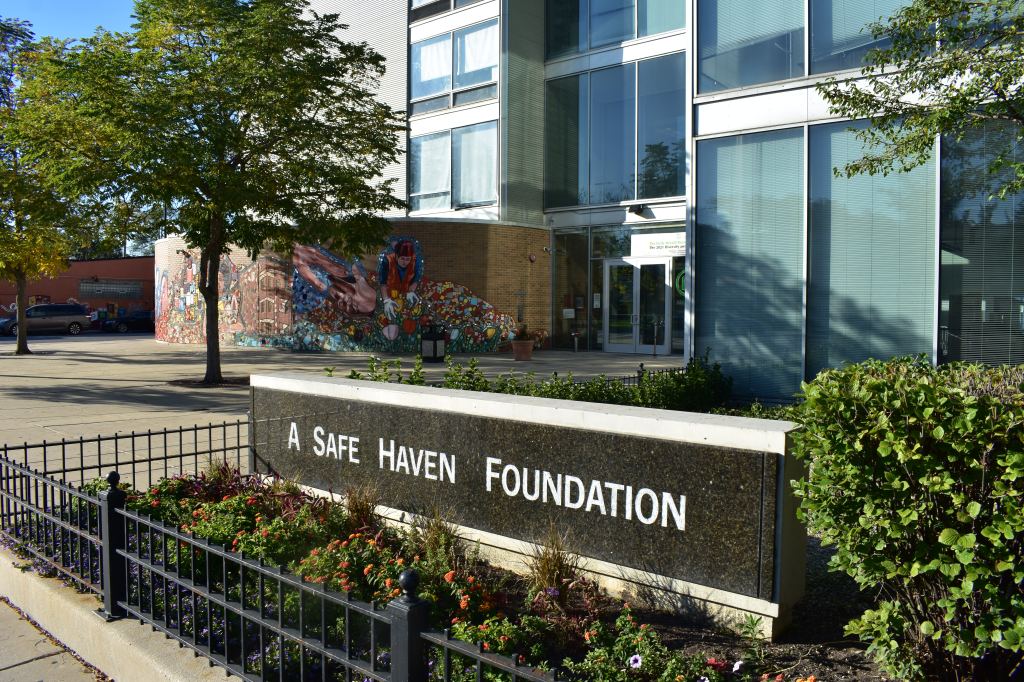
“We’re not getting enough funds to match the cost associated with this extreme situation,” said Neli Vazquez Rowland, Co-founder and President of A Safe Haven, one of many homeless aid organizations in Chicago.
Housing struggles appear to be continuing across the United States, too. The National Low Income Housing Coalition released a statement in August reporting that 29 to 43 percent of renter households could be at risk of eviction by year’s end.
When someone is evicted with nowhere to stay, they have two options – the streets or a shelter.
Covid-19 has made what should be the preferred option of the two less accessible than before the pandemic.
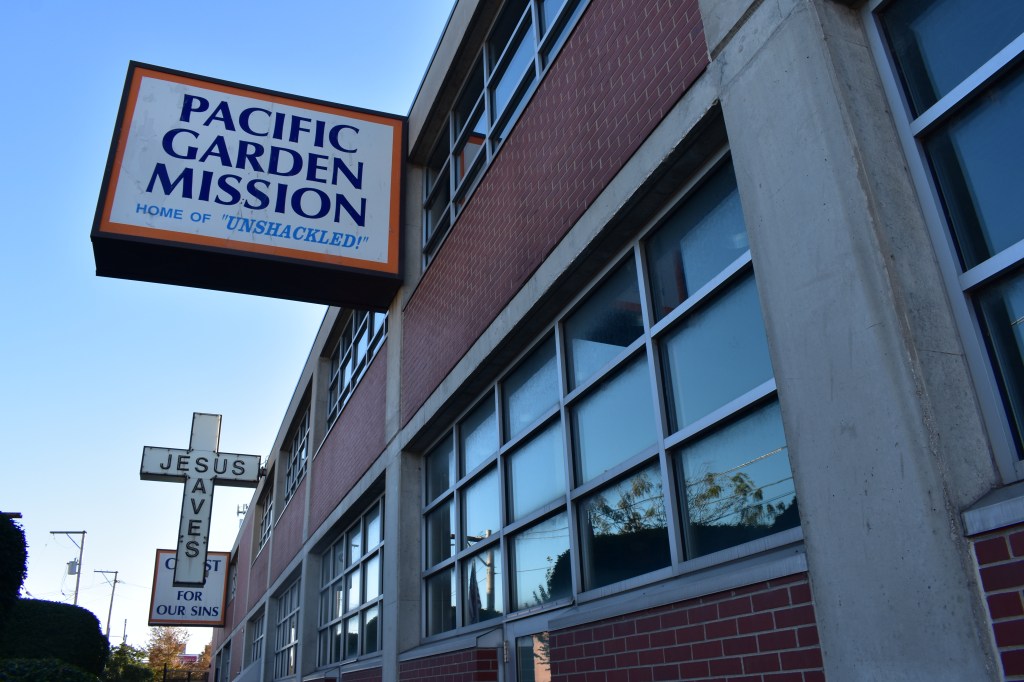
“Ever since the onset of Covid, we went down to about 300 people [being housed] per day,” said Ronald Childers, Guest Service Manager at Pacific Garden Mission on South Canal Street, “So it hasn’t stopped us from being able to service people, but it has limited us in how many people we’re able to service.”
Prior to the onset of the pandemic, Pacific Garden Mission – another homeless aid organization – was able to house and serve between 1,000 and 1,200 people a day.
Many of the challenges that the average citizen faced since March 2020 might seem trivial in comparison to what organizations serving the homeless and marginalized communities have faced.
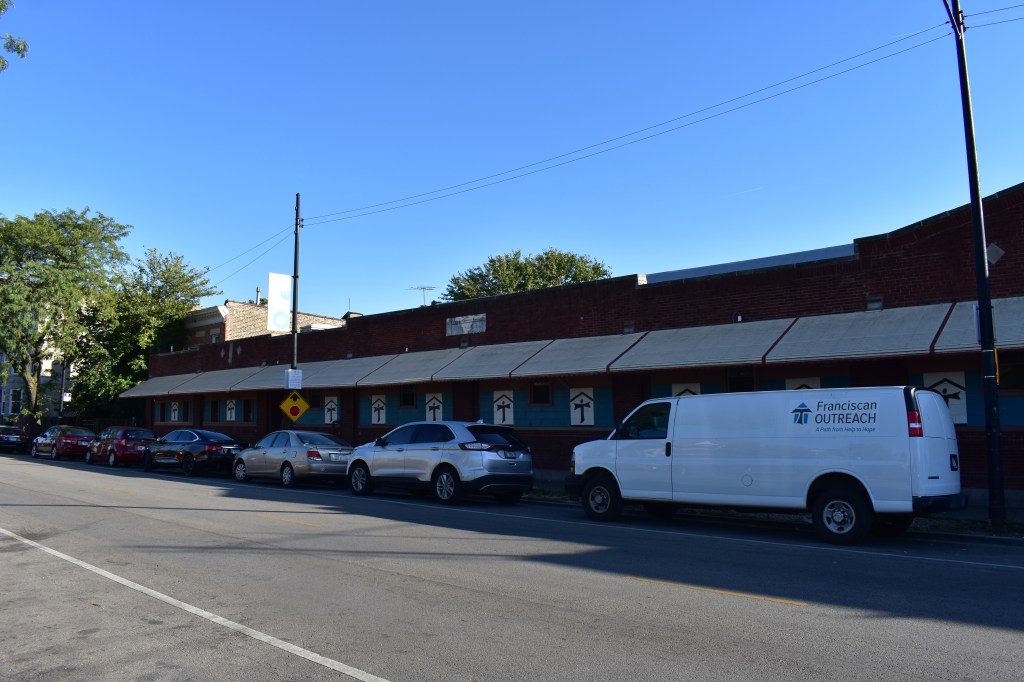
“It’s been a tremendous challenge the last year and a half since the onset of the pandemic to try and still fulfill our mission while at the same time working under the conditions of a pandemic,” said Richard Ducatenzeiler, Executive Director of Franciscan Outreach.
Already bound by the limitations of mass housing, homeless shelters have been forced to alter their operations further to account for the dangers of Covid-19 – whether it’s been by limiting capacity like Childers described or otherwise.
“(On)January 31st, (2020) when the (former President Trump) closed the borders with China, we didn’t waste any time and started to double and triple down on all of our infection control policies to make sure everybody we had in the buildings were going to be safe,” said Rowland.
“Instead of trying to decrease our bed capacity or potentially trying to change our model to a more impermanent house model, we’ve been committed to providing that emergency shelter,” said Ducatenzeiler.
Many organizations invested time in setting up health care processes for those who come through their doors already infected with the virus.
“We were able to build what we call a Covid-19 medical respite,” said Rowland, “And it’s a place where anybody who gets Covid-19 and doesn’t have a place to isolate, whether it’s because you’re homeless or living in doubled-up situations… they can come to this place free of charge.”

Partnering with other organizations interested in supporting the needy has also helped shelters remain cognizant of safety measures without sacrificing the goal of helping the underserved. “UIC (the University of Illinois at Chicago) has been a very valuable partner with us,” said Childers, “Illinois Health [Department] has also been a very valuable partner with us…the CDC has provided us data as far as it relates to the Covid-19 vaccine, updates on policies, procedures, and best practices.”
Community amongst sheltering organizations themselves has helped greatly as well. For example, all the aforementioned shelters are partnered in some capacity with one another. “One of the silver linings of all of this is strengthening our relationships with many of our partners,” said Ducatenzeiler.
While partnership between organizations creates cohesion and community among like-minded groups, it isn’t enough to be self-sufficient. Donations and volunteering remain an extremely important part of shelter survival.
And they aren’t seeing an increase during the pandemic.
According to data by Nottingham Trent University published in May, 24% of charities reported an increase in volunteer numbers since March 2020, as opposed to 36% who saw a decline. “No, we have not seen an increase,” said Rowland.
Ultimately, adequate support comes down to two things. First, government grants that give large amounts of funding at a time – similar to almost $126 million Illinois received in 2020 for 364 local homeless programs, from the federal Department of Housing and Urban Development.
Unfortunately, government funding typically applies only to public programs, not private. So, second, community support is always appreciated – be it volunteering if allowed or donating to shelters around the city. Below is a map that can direct you to just a few of the shelters around the city that would greatly appreciate the support.
“Always we need financial resources,” said Childers, “We don’t receive any money from the government, so we’re funded by faithful believers and generous donators. Also, people coming in to volunteer their time is always appreciated.”

 Zach E. Portfolio